Short-Form Video Playbook: Shorts, TikTok and Reels
How the three short-form platforms differ, how their feeds decide who sees your video, how to structure and format a Short, and how short-form creators actually get paid.
 Andy Woods
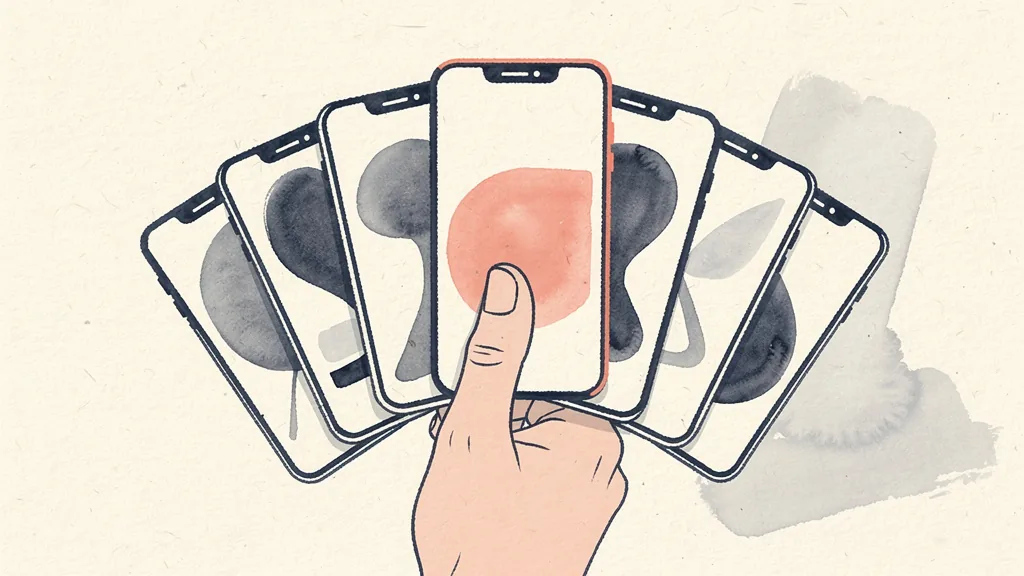
YouTube Shorts, TikTok and Instagram Reels all show vertical videos in a feed people swipe through. Beyond that they differ in who watches, how long a video keeps getting shown, and how, or whether, they pay you. This playbook covers what they have in common, where they differ, and how to make one video work on all three.
Contents
- The three platforms at a glance
- How the feeds decide who sees your video
- How long should a Short be?
- The structure of a Short
- Format, captions and safe zones
- Getting found in search
- Series: the easiest way to earn followers
- Turning long videos into Shorts
- Publishing one video to three platforms
- When to post
- How short-form creators get paid
- Checklist
The Three Platforms at a Glance
| YouTube Shorts | TikTok | Instagram Reels | |
|---|---|---|---|
| Maximum length | 3 minutes (vertical or square videos uploaded since 15 October 2024) | Uploads up to 60 minutes | 3 minutes (since January 2025) |
| Platform pays per view? | Yes, from a shared ad pool, once in the YouTube Partner Program | Yes, through Creator Rewards, for videos over one minute in eligible countries | No general per-view payment |
| Entry requirement to earn | 1,000 subscribers and 10 million Shorts views in 90 days (or 4,000 long-form watch hours) | 10,000 followers and 100,000 views in the last 30 days, 18+ | Not applicable |
| How long a video keeps getting views | Can resurface for weeks or months | Most views usually come in the first few days | Mostly the first few days |
| Best at | Feeding a long-form YouTube channel | Fast reach for new accounts, search among younger users | Reaching an audience you already have on Instagram |
Sources: YouTube on three-minute Shorts, YouTube Partner Program eligibility, TikTok Creator Rewards. TikTok's requirements and eligible countries change, so check them before planning around the programme.
If you are starting from nothing and can only do one, start with YouTube Shorts if you plan to make long videos as well, and TikTok if you want the fastest feedback on what works. Add Reels when you already have an Instagram following or a product that sells there.
How the Feeds Decide Who Sees Your Video
None of the three platforms publishes its ranking formula, but they describe the same broad approach. A new video is shown to a small group of people. If they watch it, the platform shows it to more, and so on. If they swipe away, it stops.
What that first group does is what counts:
- Did they stay? On YouTube, Studio shows this directly for every Short as "viewed" versus "swiped away". It is the first number to check.
- How much did they watch? The percentage of the video watched, and whether people watched it more than once.
- Did they do anything? Shares, saves, comments, follows and visits to your profile are all signs that a viewer cared.
Two things follow from this. Your follower count matters less than on most social media, so a brand-new account can reach a large audience with one video. And the opening seconds matter more than anything else, because a viewer who swipes away never sees the rest.
The platforms differ in how long they keep testing. TikTok tends to decide quickly, so most of a video's views arrive in its first days. YouTube keeps testing Shorts for longer, and a Short can pick up views months later.
How Long Should a Short Be?
As long as the idea needs and not a second longer. There is no length that platforms reward in itself. What they reward is people watching to the end, and it is easier to hold people for 30 seconds than for 90.
Some hard limits worth knowing:
- Copyright on YouTube. YouTube blocks Shorts that are over one minute long and have an active Content ID claim. Using a popular track in a two-minute Short can stop it being shown at all. Most songs can only be used for up to 90 seconds anyway, and some for less.
- TikTok payouts. Creator Rewards only pays for videos over one minute. If that income matters to you, some TikTok versions need to be longer than their YouTube equivalents.
- Padding shows. A 45-second idea stretched to 70 seconds loses more viewers in the extra 25 seconds than it gains.
Test it on your own content. Make the same kind of video at two lengths over a few weeks and compare the percentage watched and the swipe-away rate.
The Structure of a Short
Most Shorts that hold attention follow the same five parts:
- The first frame (0 to 1 second). Before anyone hears a word, the first frame has to show something worth stopping for: a striking image, a bold line of text, movement. Do not start on a logo or a blank background.
- The hook line (1 to 3 seconds). One sentence that makes a promise or opens a question: a surprising claim, a specific number, a direct contradiction of what people believe. The hooks guide has worked examples.
- Lock in the premise (3 to 10 seconds). Make clear what the video is about and why it is worth the next half-minute.
- The build. Deliver on the promise. Every line should move forward. Cut scene or angle often enough that the screen never feels static.
- The ending and the loop. End on the payoff, not a goodbye. A last line that leads back into the first makes people watch again, which counts as more watch time.
Format, Captions and Safe Zones
- Size. 1080 × 1920 pixels, 9:16. Everything else gets cropped or letterboxed. Export as MP4 with H.264 video; our video formats guide explains why.
- Captions. Many people scroll with the sound off. Burned-in captions that follow the speech keep them watching. Grouping three or four words per caption is easier to read than one word at a time or a full sentence.
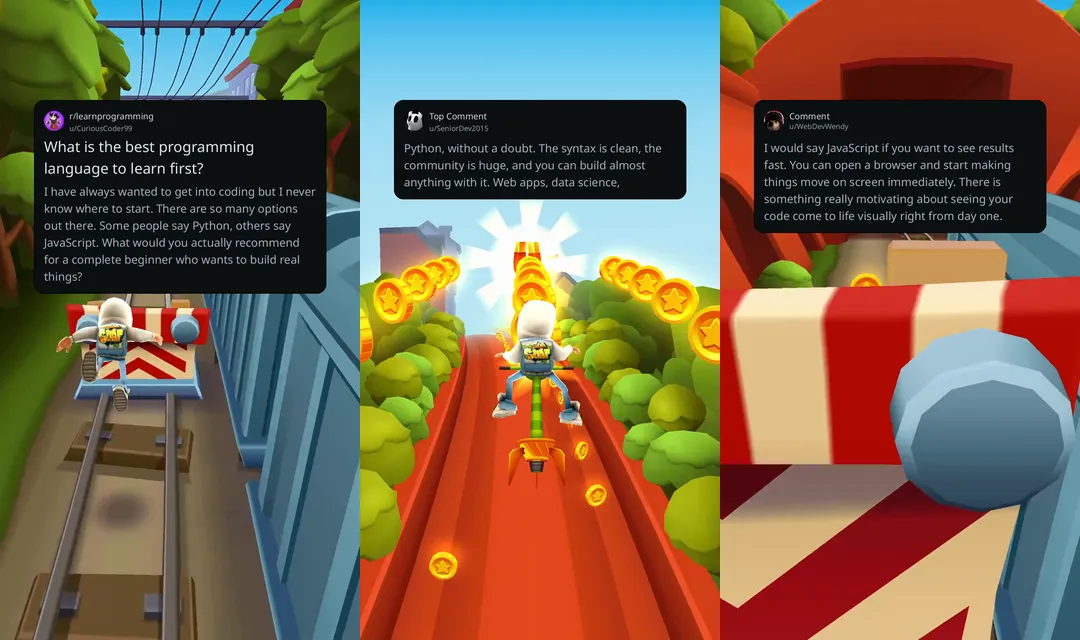
- Safe zones. Each app draws its own buttons over your video: the title, caption and username along the bottom, like and share buttons down the right side, and a header at the top. Keep text and faces in the middle, away from those edges.
The Reddit story videos made in InkSlop are laid out this way: the text card sits in the upper middle of the frame, clear of all three apps' buttons.
Getting Found in Search
Short videos are not only found through the feed. A growing share of people, especially younger users, search TikTok and YouTube the way they would search Google.
- Say the keyword out loud. Platforms transcribe speech, so a video that says "how to fix a leaking tap" early on is easier to match to that search.
- Put it on screen too. Text overlays are read as well.
- Write a plain caption or title. Describe what the video shows in the words someone would type. Clever captions are fine for the feed, but they do not help search.
- Use a few specific hashtags. Three to five that describe the topic work better than a wall of popular ones that say nothing about the video.
Some TikTok videos also appear in Google results, which gives a well-titled video a second way to be found.
Series: The Easiest Way to Earn Followers
Shorts bring views easily and followers less easily, because a single entertaining video gives the viewer no reason to come back. A series does. "Part 3 of 10", "One word a day that English stole from French", "Every US state ranked by its worst law": when someone likes one episode, they follow for the next.
What makes a series work:
- A format you can repeat at least 20 times without running out of material.
- The same opening and look, so returning viewers recognise it in half a second.
- Episodes that also work alone, because most viewers will find episode 7 first.
- Numbered titles or on-screen labels so people know there is more.
A series also answers YouTube's inauthentic content policy, as long as each episode brings genuinely new material. The faceless channel guide explains that policy.
Turning Long Videos Into Shorts
If you already make long videos, you have a supply of Shorts. Look for moments that:
- make sense with no context,
- contain one complete idea, surprising fact or strong reaction,
- can be introduced in a single hook line.
Then adapt them rather than just cutting them out. Reframe to 9:16 so the subject stays in the middle, add captions, add a hook line at the start if the original moment did not have one, and end on the payoff. On YouTube, link the Short to the full video with the "related video" option, so viewers who want more have a direct path to it.
Publish these Shorts over several weeks after the long video, not all on the same day. Each one is another chance to send someone to the full video.
Publishing One Video to Three Platforms
Produce each video once and publish it natively everywhere:
- Upload the clean file to each platform. Do not download a TikTok and upload it to Instagram with the TikTok watermark on it. Instagram has said it favours original content over reposts from other apps.
- Adjust the text per platform. Captions, titles and hashtags should suit where the video is posted.
- Use each platform's own sounds when music matters. Trending audio is platform-specific. For your own narration this does not matter.
- Stagger if you like, but do not overthink it. Audiences overlap less than people expect.
InkSlop renders one 9:16 file and schedules it straight to YouTube and TikTok, and the same file can be downloaded and uploaded to Instagram.
When to Post
Generic "best time to post" tables are averages across millions of accounts with different audiences. Your own data is more useful:
- YouTube: YouTube Studio → Analytics → Audience shows "When your viewers are on YouTube" for your channel.
- TikTok: creator and business accounts can see follower activity by hour in their analytics.
- Instagram: professional accounts show when followers are most active.
Post slightly before your audience's busiest hours so the video has been tested by the time most people arrive. Beyond that, posting consistently matters far more than the exact hour.
How Short-Form Creators Get Paid
YouTube Shorts. Ad revenue from the Shorts feed goes into a monthly pool. Each monetised creator's share of the pool depends on their share of Shorts views, and creators keep 45% of what is allocated to them, whether or not they used music (YouTube's Shorts monetisation policies). Per view it pays much less than long-form ads, but it adds up at high volume and builds the channel for long videos, which pay better.
TikTok Creator Rewards. Pays for qualified views on original videos over a minute long, in eligible countries, once you meet the follower and view thresholds above.
Instagram. No general payment per view. Income comes from brand deals, affiliate links, subscriptions and selling products.
On every platform: affiliate links, sponsorships and your own products work regardless of follower thresholds. A short video that sends viewers to a longer video, a newsletter or a shop is often worth more than the platform's own payout. The small channel monetisation guide covers these in detail.
Checklist
- First frame is worth stopping for, with no logo or blank intro
- Hook line within the first three seconds
- No padding: the video ends when the idea does
- 1080 × 1920, captions on, text inside the safe zone
- Keyword spoken early, shown on screen, and in the caption or title
- No Content ID-claimed music on YouTube Shorts over a minute long
- Clean file uploaded natively to each platform, no watermarks
- Part of a series, or linked to a longer video
- Checked "viewed vs swiped away" and percentage watched a few days later
Make a Short in the creator and schedule it to YouTube and TikTok in one go.