How to Write Short-Form Video Scripts That Hook in the First 3 Seconds
The first three seconds determine whether the algorithm expands your video or stops it. Here is how to write openings that work, with examples for the formats that perform best.
 Andy Woods
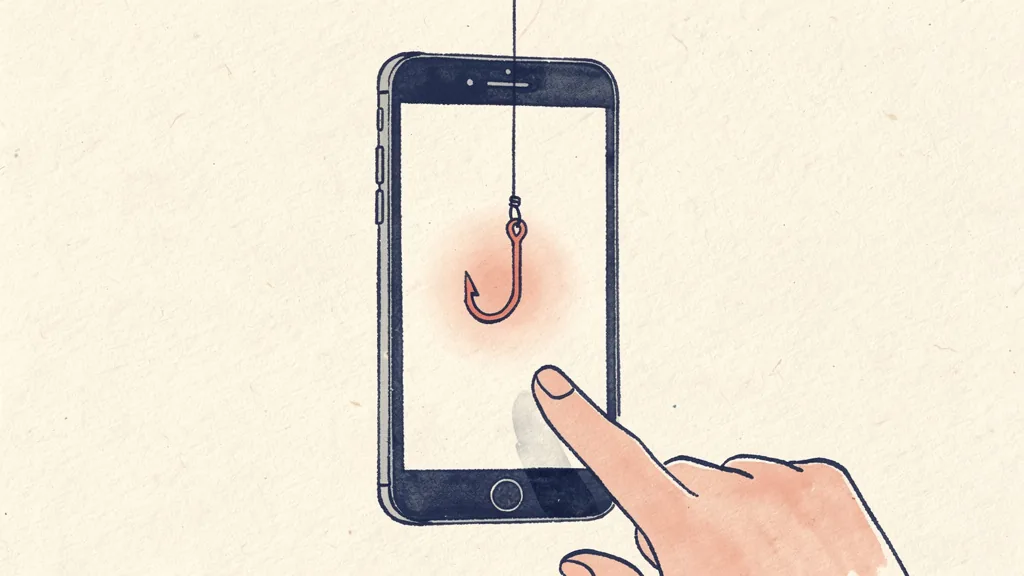
The YouTube Shorts algorithm shows your video to a small test audience and watches how fast people swipe away. If the swipe rate in the first three seconds is high, distribution stops. If viewers stay, it expands. The entire distribution outcome hinges on those first seconds.
Writing a hook is not a soft creative skill. It is an engineering problem with measurable outputs.
What a Hook Actually Is
A hook is not an introduction. It is not "welcome to the channel" or "today we're going to talk about." It is a single sentence that creates enough tension or curiosity that the viewer physically cannot swipe without feeling they will miss something.
The hook has one job: buy the next five seconds. Those five seconds do the same job, and so on. But the first sentence is the gate.
The Four Hook Structures That Work
The provocative claim. State something surprising that the viewer cannot immediately verify.
"The average American spends more on bank fees every year than on books."
The viewer does not know if this is true. They want to find out if it is. That is enough to hold them.
The open loop. Raise a question or promise without answering it immediately.
"There are three things every profitable business has in common. Most people only know one."
The viewer is waiting for the list. They cannot leave before they get it.
The contradiction. Directly challenge something the viewer assumes is true.
"Saving money does not make you wealthy. Here's what does."
This creates mild disagreement or surprise, which is attention. Even a viewer who disagrees will stay to hear the argument.
The specific number. Numbers are specific. Specificity signals that research was done.
"A study of 14,000 retirees found one decision explains 90% of the outcome gap."
Vague versions of the same claim ("research shows retirement outcomes vary a lot") do not work. The numbers make it credible and interesting.
What Kills Hooks
Preamble. Any sentence before the hook is a sentence that can cause a swipe. "Hey guys, today we're covering..." is four seconds of swipe risk. Cut it entirely.
Context before payoff. The instinct to establish context before making a point is a journalism habit that does not translate to short-form. The viewer needs the interesting thing first. The context can come after you have their attention.
Weak openings that telegraph length. "In this video, I'm going to walk you through..." signals a long explainer. The viewer for short-form content has already decided not to watch long explainers. Start with the content, not the roadmap.
Hedging. "Some people think..." and "It kind of depends on..." are confidence failures. A hook needs to commit to something. Hedge later if you need to. Never hedge in the first sentence.
Matching the Hook to the Format
For finance and business content, the specific number hook is the most reliable: "The average small business owner misses $12,000 a year in deductions they're legally entitled to." It implies relevance, implies actionability, and implies most viewers are currently losing something.
For educational content, the contradiction hook works well: "Everything you learned about reading retention is wrong." It targets the specific knowledge the viewer already has and promises to replace it.
For story-based content (Reddit threads, personal finance stories, case studies), the open loop is natural: "This guy turned $500 into a $3 million business. It took him 9 years, one mistake, and one decision he almost did not make." The viewer is now waiting for the mistake and the decision.
For how-to content, lead with the outcome rather than the process: "You can cut your grocery bill by 40% without changing what you eat." The process is what the video teaches. The hook is the result.
Pacing After the Hook
Once you have the viewer's attention, every subsequent sentence needs to either advance toward the payoff or introduce new information that raises the stakes. Anything that could be cut without reducing the value of the video should be cut.
The structure that works consistently: hook, raise the stakes briefly, deliver the core insight or information, land the ending cleanly. No recap. No "if you found this helpful, like and subscribe." The ending of a well-made Short is the last line of real content. Calls to action at the end extend the video past the point where the content is over, which damages watch-through rate.
How This Applies to InkSlop's DSL
The first [tts] segment in your script is the hook. InkSlop's AI generation will write a draft hook based on your topic description, but it is worth reviewing the opening line specifically in every script.
A quick test: read the first sentence out loud. If someone who knows nothing about the topic could swipe away after that sentence without feeling they missed anything, rewrite it. The hook is not about what the video is about. It is about why the viewer cannot leave yet.
The short-form playbook explains how those first-second swipe signals feed into distribution, if you want the mechanism behind the technique.